When we think about blood pressure, we usually picture heart attacks or strokes — not memory loss or dementia. But emerging science tells a powerful story: your blood pressure has a direct impact on your brain health, especially as you age.
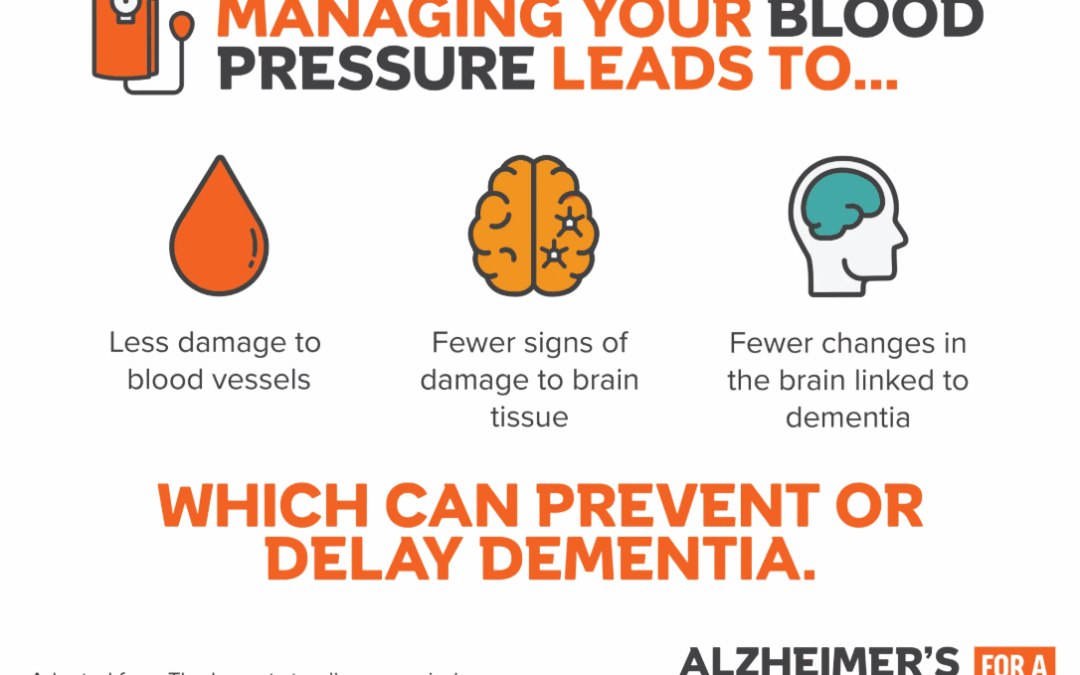
By managing your blood pressure, you’re not just protecting your heart — you’re also reducing your risk of cognitive decline and dementia.
Why Blood Pressure Matters for Brain Health
High blood pressure (also called hypertension) puts stress on your blood vessels — including the tiny ones in your brain. Over time, this can:
- Reduce blood flow to the brain
- Cause micro-damage to brain tissue
- Accelerate memory loss
- Increase the risk of vascular dementia and Alzheimer’s disease
Studies have shown that people with high blood pressure in midlife (between 40 and 65) are significantly more likely to develop dementia later in life. The earlier you get it under control, the better your long-term brain health.
How to Keep Blood Pressure — and Brain Health — in Check
Get Your Blood Pressure Checked Regularly
- Ideal blood pressure: Below 120/80 mmHg
- High blood pressure: 140/90 mmHg or higher (speak to a healthcare provider)
- Even slightly elevated readings (known as “pre-hypertension”) should be monitored.
Where to get checked:
- Your GP or nurse
- Local pharmacy (many offer free BP checks)
- Community health clinics and drop-ins with the community
- At home, with an automatic blood pressure monitor (check for machines pre-approved by The British Heart Foundation)
Take your readings at the same time each day and keep a log.
Adopt Brain-Friendly Lifestyle Habits
Try incorporating these into your routine:
Eat Smart
- Emphasize a Mediterranean-style diet: leafy greens, whole grains, nuts, oily fish, and olive oil.
- Cut back on salt and processed foods.
Move Often
- Aim for at least 150 minutes of moderate activity per week.
- Walking, swimming, cycling, or dancing all help lower BP and boost brain function.
Sleep Well
- Poor sleep is linked to both high blood pressure and memory decline.
- Adults need 7–9 hours of quality sleep nightly, be sure to get plenty of rest.
Manage Stress
- Chronic stress raises blood pressure and harms cognition.
- Try meditation, deep breathing, or even a few minutes of quiet time each day.
Avoid Smoking & Limit Alcohol
- Both are linked to increased BP and a higher risk of dementia.
Conditions That May Require Regular Monitoring
Some people need more frequent check-ups. This includes those with:
- Diabetes
- Kidney disease
- High cholesterol
- Family history of heart disease or dementia
- Previous stroke or mini stroke (TIA)
If you fall into any of these categories, your doctor may recommend more frequent blood pressure checks and routine cognitive screening.
Where You Can Get Help
If you’re unsure about your blood pressure or memory health, don’t wait.
Looking after your blood pressure isn’t just about numbers — it’s about protecting your future self. Every healthy choice you make now supports your heart and your brain for years to come. It’s never too early — or too late — to start.
Need support?
Talk to your pharmacist, GP, or a local health clinic today about blood pressure monitoring and steps you can take.
Brain Health Booklet
Want to learn more about looking after your brain health? For more information steps you can take, and for local information and support in making these lifestyle changes you can access the Brain Health booklet in English and Welsh through our website.
You’re Not Alone
Remember, you are not alone. If you have concerns about your memory, care for someone with dementia or are looking for additional information and advice the Dementia Hwb is here for you. Visit our Swansea or Aberafan Dementia Hwb or pop down to one of our Mobile Hwb’s near you. Can’t make it in person? You can call our Swansea Hwb on 01792 304519 and our Neath Port Talbot Hwb on 01639 374356 or email on Support@DementiaFriendlySwansea.org and one of our team will respond by the next working day.
Article by Kayleigh Phillips